Source Upgrade Car Body Kit for Range Rover, Hiace, and Bentley
Find 30 options for an upgrade car body kit tailored for vehicles like Range Rover, Hiace, and Bentley. Compare plastic and carbon fiber materials, ISO and CE certifications, and OEM/ODM services to select the best fit for your automotive needs.
Key considerations
Products List


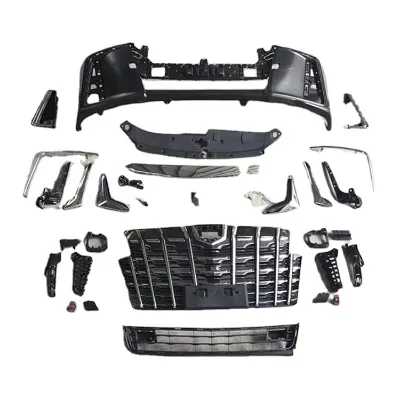


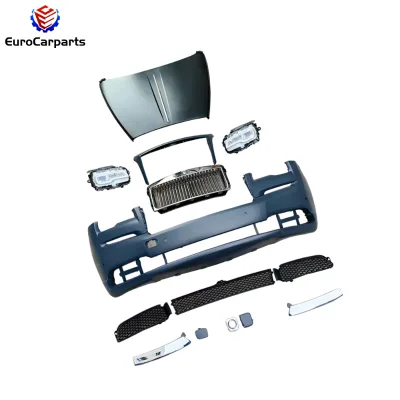
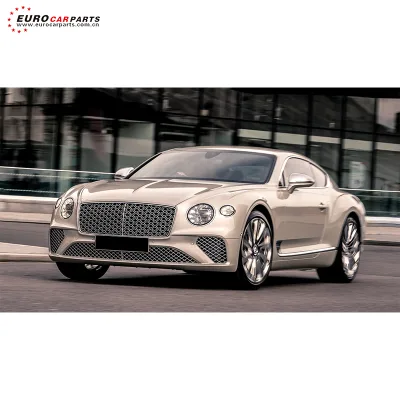
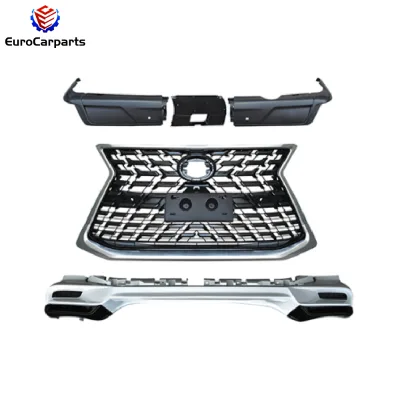
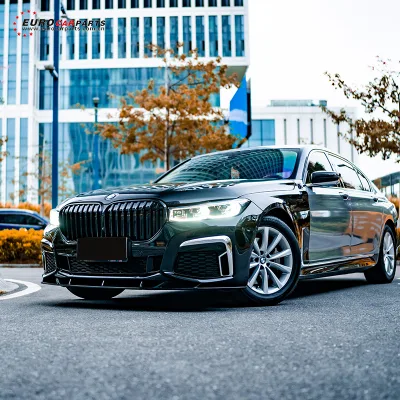
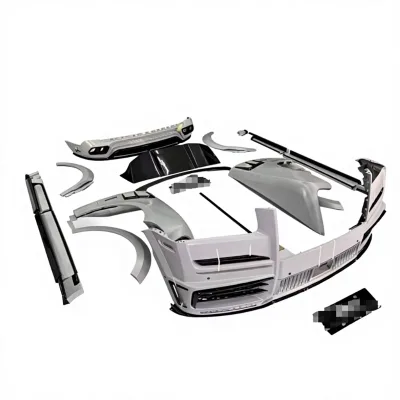
Comprehensive Sourcing Guide
Upgrade Car Body Kit Sourcing Guide
Sourcing an upgrade car body kit requires careful alignment with vehicle-specific engineering tolerances and aesthetic goals. Buyers must distinguish between cosmetic enhancements and functional aerodynamic components, as the latter often demands stricter material integrity. The market offers solutions ranging from simple bumper replacements to full body kits that transform a vehicle’s profile. Understanding the distinction between OEM-style upgrades and aftermarket modifications is critical for ensuring compatibility with existing mounting points and sensor systems.
Procurement decisions should prioritize fitment accuracy and installation ease to minimize labor costs and customer complaints. Many suppliers offer customization services, allowing buyers to tailor components to specific regional preferences or brand identities. However, customization introduces complexity in quality control and lead time management. Buyers must evaluate whether the supplier’s design software and molding capabilities can consistently reproduce precise geometries, ensuring that every panel aligns seamlessly with the vehicle’s original body lines.
Product Scope and Observed Listing Signals
The current market landscape for upgrade car body kits reveals a diverse range of applications, primarily targeting popular luxury and commercial vehicles. Listings indicate strong demand for models such as the Range Rover, Land Rover, Toyota Hiace, and various Mercedes-Benz platforms. These kits often serve as visual upgrades, allowing older models to adopt the styling cues of newer generations. For instance, kits designed to upgrade a 2013-2017 Land Rover to a 2021 aesthetic demonstrate the trend of extending vehicle relevance through cosmetic modernization.
Observed listing signals highlight significant variation in material composition and manufacturing methods. While some products utilize standard plastic materials like ABS for cost-effective production, others employ carbon fiber for high-performance applications. The presence of injection molding and hot runner technology suggests a focus on precision and surface finish. Buyers should note that product origins are predominantly centered in manufacturing hubs like Guangdong, China, which influences logistics and supply chain dynamics. Understanding these signals helps in assessing the potential quality and durability of the components before committing to large orders.
Technical Specifications to Verify
Verifying technical specifications is paramount to ensuring that the body kit integrates seamlessly with the target vehicle. Key attributes to confirm include the exact model compatibility, such as specific chassis codes like G01, W257, or X253. Buyers must also assess the material type, distinguishing between standard ABS plastic and premium carbon fiber, as this impacts weight, durability, and finish quality. The manufacturing process, whether injection molding or other techniques, directly influences the structural integrity and surface smoothness of the final product.
Installation requirements and packaging details are equally critical for operational efficiency. Some kits offer easy installation, reducing labor time and potential damage during fitting, while others may require fixed mounting solutions that demand professional expertise. Packaging standards, such as carton boxes with or without wood frames, affect shipping safety and cost. Additionally, verifying the mold cavity design, such as single cavity setups, can provide insights into production consistency and potential batch variations. Clear specification alignment prevents costly returns and ensures customer satisfaction.
Compliance and Safety Documentation
Compliance with international standards is essential for importing and selling automotive parts across different jurisdictions. Buyers should verify that suppliers hold relevant certifications, such as ISO and CE, which indicate adherence to quality management and safety directives. These certifications serve as a baseline for assessing the supplier’s commitment to standardized production processes and regulatory compliance. Without proper documentation, products may face customs delays or legal restrictions in target markets.
Safety considerations extend beyond certification to include the structural integrity of the components. Body kits must not interfere with vehicle safety systems, such as airbag sensors or pedestrian protection mechanisms. Buyers should request test reports or material safety data sheets to ensure that the plastics or carbon fibers used do not emit harmful substances. Additionally, verifying that the design software, such as AutoCAD, is used for precise engineering can help mitigate risks associated with poor fitment or aerodynamic instability. Proper documentation ensures legal market entry and protects brand reputation.
Cost Drivers and Commercial Terms
Cost drivers for upgrade car body kits include material selection, customization complexity, and order volume. Carbon fiber components typically command higher prices due to raw material costs and specialized manufacturing processes, whereas ABS plastic kits offer a more budget-friendly alternative. Customization services, such as OEM and ODM options, add value but also increase production time and cost. Buyers must balance these factors against their target market’s price sensitivity and quality expectations.
Commercial terms, including minimum order quantities (MOQ) and delivery lead times, significantly impact procurement strategy. Observed MOQs range from one set to ten sets, offering flexibility for small businesses and larger distributors alike. Delivery times vary, with some suppliers offering rapid turnaround within three to seven working days, while others require ten to fifteen days for complex orders. Understanding these terms allows buyers to plan inventory levels and manage customer expectations effectively, ensuring a smooth supply chain operation.
Supplier Qualification and Quality Control
Supplier qualification involves a thorough assessment of manufacturing capabilities and quality control systems. Buyers should evaluate the supplier’s experience with specific vehicle models and their ability to maintain consistent fitment across production batches. The use of advanced design software and precise molding techniques are indicators of a supplier’s technical competence. Additionally, checking for certifications like ISO and CE provides assurance of standardized quality management practices.
Quality control measures should include rigorous inspection protocols for surface finish, dimensional accuracy, and material integrity. Buyers may request samples to verify the ease of installation and the quality of the final product. Establishing clear communication channels for addressing defects or discrepancies is crucial for maintaining long-term partnerships. Regular audits of the supplier’s production line can help identify potential issues early, ensuring that the supplied body kits meet the required standards and customer expectations consistently.
Long-Term Procurement Checks
Long-term procurement success depends on continuous monitoring of supplier performance and market trends. Buyers should regularly review delivery times, product quality, and customer feedback to identify areas for improvement. Staying informed about emerging vehicle models and styling trends ensures that the product portfolio remains relevant and competitive. Building a diversified supplier base can mitigate risks associated with single-source dependencies and supply chain disruptions.
Additionally, maintaining strong relationships with suppliers facilitates better negotiation on pricing and terms over time. Buyers should invest in understanding the evolving regulatory landscape to ensure ongoing compliance with safety and environmental standards. Regularly updating technical specifications and design requirements helps in adapting to new vehicle platforms and consumer preferences. By prioritizing these long-term checks, buyers can sustain a reliable and efficient sourcing strategy for upgrade car body kits.
FAQs
What materials are used for upgrade car body kits?
Upgrade car body kits are primarily made from plastic or carbon fiber. Some products use ABS plastic with injection molding techniques. These materials ensure durability while maintaining a lightweight profile for vehicle performance and aesthetic enhancement.
Which certifications do these body kits hold?
Many upgrade car body kits carry ISO and CE certifications. These standards verify that the manufacturing processes meet international quality and safety requirements. Buyers should verify specific certification documents for each product model before placing large orders.
Can I get custom designs for my vehicle?
Yes, customization is available for most upgrade car body kits. Suppliers offer OEM and ODM services to tailor designs to specific car models like Range Rover or Hiace. This allows buyers to achieve unique styling while ensuring perfect fitment.
How long does delivery take after payment?
Delivery times typically range from 3 to 15 working days after payment. Specific lead times depend on the product model and supplier location. Some items ship within 3-7 days, while others may require up to 15 days for production and packing.
What is the minimum order quantity for kits?
The minimum order quantity varies between 1 and 2 sets depending on the specific product. Some models require only one set, while others may need two sets as a baseline. Buyers should check individual product listings for exact MOQ requirements.
Where are these body kits manufactured?
Most upgrade car body kits originate from Guangdong, China, or other regions in mainland China. Factories utilize advanced molding machines to produce parts. The origin location influences shipping times and logistics costs for international buyers.
How difficult is the installation process?
Installation is generally designed to be easy for most standard kits. Some products feature fixed installation methods requiring specific tools. Buyers should review the specific installation guide provided with the product to ensure proper fitment and secure attachment.